.png?width=150&height=81&name=Houghton%20Contracting%20Logotype%20New%20Logo%20(1).png)
11 Min Read
Remodeling a kitchen is an exciting project for any New Jersey homeowner, but before you grab a hammer or hire a contractor, there's a crucial question to answer: do you need a permit?
In most cases, yes, permits are not just bureaucratic red tape, they are legal requirements that ensure your renovation meets safety and building standards. Skipping permits can lead to costly fines, insurance issues, and headaches when selling your home.
This guide will walk you through everything NJ homeowners need to know about kitchen remodeling permits, when permits are required, the types of permits, the application process, consequences of not getting one, and common myths, all in a friendly, educational tone. Let's make sure your dream kitchen project is code-compliant and hassle-free from the start.
Table of Contents
- When Permits Are Required in New Jersey?
- Types of Permits for a Kitchen Remodel
- Consequences of Skipping Permits
- Permit Responsibility: DIY vs. Contractor
- How to Apply for a Kitchen Remodel Permit (Steps & What to Expect)
- Do I Need a Contractor, or Can I DIY My Kitchen Remodel?
- Benefits of Hiring a Professional Contractor
- Permit Myths, Debunking Common Misconceptions
- FAQs
- Conclusion
When Permits Are Required in New Jersey?
New Jersey's Uniform Construction Code (UCC) requires a construction permit for any significant work on a building, anything beyond ordinary repairs or cosmetic changes. A good rule of thumb: a permit is probably needed if you're doing more than just replacing finishes (paint, wallpaper) or swapping fixtures one-for-one. Here are some common kitchen remodel tasks and whether they typically require permits:
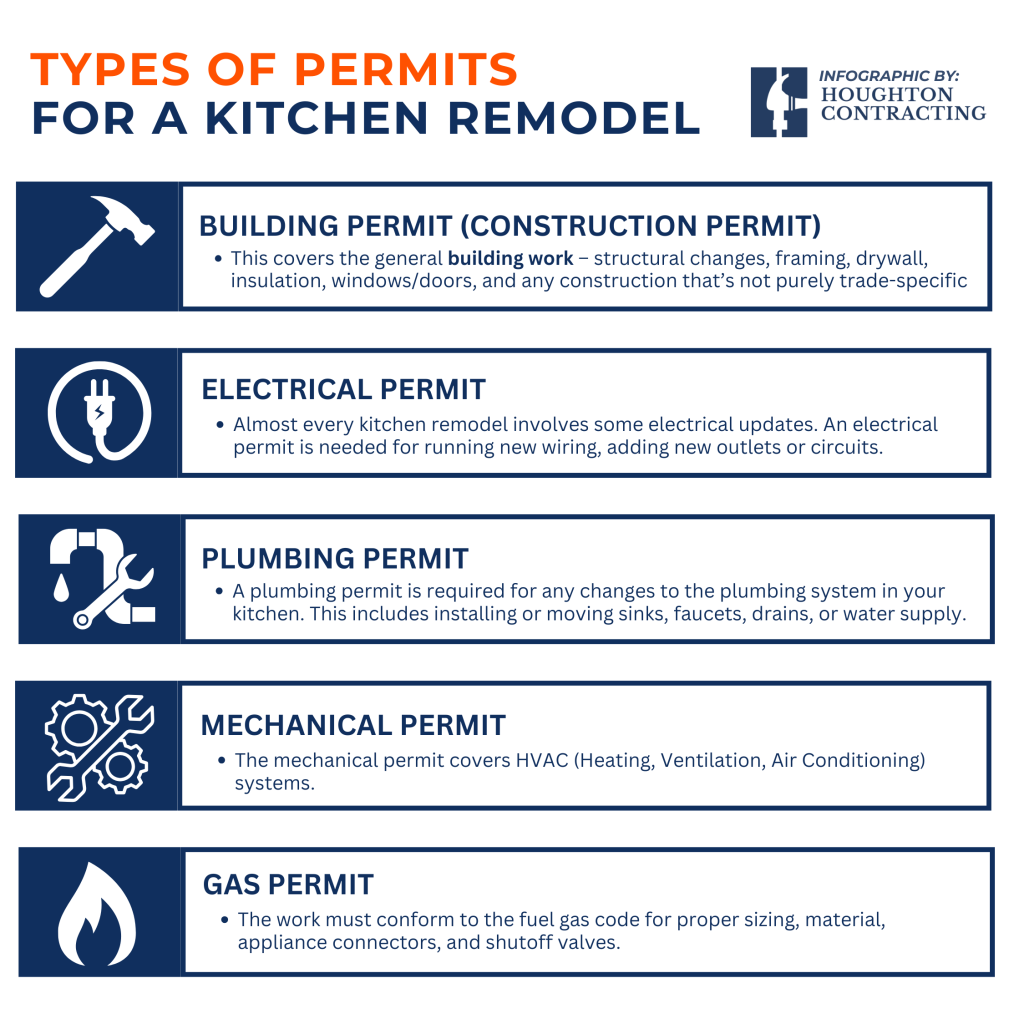
- Structural changes: Removing or adding walls, enlarging doorways, or cutting new windows will always require a building permit. Any alteration to the building's structure or means of egress (exits) triggers a permit and code review. For example, if you plan to knock down a wall to create an open-concept kitchen, you must get a permit to ensure the wall isn't load-bearing or that proper supports are added.
- Electrical work: Installing new wiring, adding or moving outlets, lights, or circuits, or upgrading your electrical panel for kitchen appliances requires an electrical permit. Only very minor replacement jobs (like swapping out an old light fixture or outlet with a similar new one) are considered ordinary maintenance and don't need a permit. But if you're relocating the microwave to a new spot with a new outlet, or adding under-cabinet lighting wired into the wall, that is permit-requisite work under the UCC.
- Plumbing work: Changing the plumbing layout or fixtures in the kitchen requires a plumbing permit. Moving a sink location, installing new piping for a refrigerator water line or dishwasher, or running a gas line for a stove all count as work that must be permitted and inspected. As with electrical, only direct replacement of existing fixtures without altering pipes is permit-free. For instance, replacing an old faucet or dishwasher with a new one in the same spot doesn't need a permit, but adding a second sink in an island or rerouting drain lines does.
- Mechanical and HVAC: Kitchen remodels sometimes involve ventilation or heating/cooling changes. If you are installing a new range hood vent (especially if it didn't exist before or you're increasing the exhaust capacity), that likely requires a mechanical permit. Changes to ductwork, adding an exhaust fan, or altering any HVAC components in the kitchen should be reviewed by the mechanical subcode official. Even installing a new cooktop that involves a downdraft vent or altering a gas furnace vent for a kitchen reconfiguration would need a permit.
- Gas lines and appliances: Adding or modifying a gas supply line (for a gas stove or oven) requires a plumbing/gas permit and professional handling. Gas work is heavily regulated for safety. In New Jersey, gas piping typically falls under the plumbing subcode, and a licensed master plumber is required if you aren't doing it yourself as the homeowner.
- Ordinary cosmetic updates: What doesn't require a permit? The UCC classifies certain minor work as "ordinary maintenance," which does not need any permit or inspections. In a kitchen, this includes things like painting walls or cabinets, installing new trim or molding, refacing cabinets, and replacing floor coverings. Cabinet replacement alone is considered ordinary maintenance, you can repair or install new cabinets in the same layout without a permit.
Types of Permits for a Kitchen Remodel
A kitchen remodel often isn't just a single permit, it's a combination of permits under different technical categories (subcodes). New Jersey's permit system is organized by subcode, each handled by specialized inspectors. Here are the main types of permits you may need:
Here's a quick-access list of building and construction permit offices for major cities and counties across New Jersey, your go-to resource for applications, contact info, and getting the green light to build.
Consequences of Skipping Permits
It might be tempting to avoid the paperwork and just renovate quietly, but doing a kitchen remodel without the required permits in New Jersey is a risky gamble that can backfire badly. Here are the key consequences and risks if you get caught (or even if you don't get caught immediately):
- Legal Penalties: Performing work without a permit is against the law. Municipal building departments have the authority to issue fines for each offense (each code violation or each day of unpermitted work). Penalties in NJ can run up to $2,000 per offense, per day for serious violations.
- Forced Changes or Tear-Out: When unpermitted work is discovered, you don't just pay a fine and move on, you must bring the work into compliance. That means you'll have to apply for a retroactive permit (often called a "retro permit") and expose all the work for inspection. If walls were closed up, you may need to open them so the inspector can see the wiring or plumbing. If any of the work does not meet code, you will be required to fix it, which could mean ripping out brand-new cabinets or finishes to access non-compliant wiring/pipes.
- Insurance Voids and Liability: Homeowners' insurance policies often contain clauses requiring the home to be in compliance with local codes and permits. If you have a fire, flood, or other damage that can be traced back to unpermitted work, your insurance carrier may deny your claim.
- Resale and Property Value Issues: Down the line when you go to sell your home, unpermitted renovations can derail the sale or reduce your home's value. Most buyers in NJ will hire a home inspector, and many municipalities require a Certificate of Occupancy or Continued Compliance inspection on resale, these processes can reveal work that was done without permits. You (the seller) may then be required to obtain permits retroactively and get everything inspected before the sale can close.
- Quality and Safety Concerns: The permit and inspection process isn't just red tape, it's there to ensure your kitchen is safe and built to standard. If you or an unlicensed contractor bypass permits, there's a chance that critical safety measures are missed.
Permit Responsibility: DIY vs. Contractor
Who is responsible for pulling the permit? This is a common confusion for homeowners. In New Jersey, either the homeowner or the contractor can apply for the construction permit, but the responsibility should be clearly understood to avoid lapses. Here's how to navigate permit responsibility:
- Homeowner as the Permit Applicant: If you are doing the remodeling work yourself (DIY) or acting as an owner-builder, you will be the one to apply for the permit. The application will ask who is performing the work and you'd list yourself in that case. New Jersey law allows a homeowner who owns and occupies the home to do their own construction, electrical, and plumbing work, provided they obtain the proper permits and follow code. The bottom line is that as a DIYer, it's your duty to get the permit before starting, and to call for inspections as you complete stages of the work.
- Contractor as the Permit Applicant: If you hire a remodeling contractor, it is standard practice for them to handle the permit process on your behalf, but make sure this is understood upfront. Always verify that your contractor is registered with the NJ Division of Consumer Affairs and has a valid license for any specialized trades. When a contractor pulls the permit, they will fill in their information as the contractor of record, and if there are separate subcode trades like electrical or plumbing, those licensed subcontractors will typically sign their portions of the application.
- Who Should Pull the Permit? It's often said: the person doing the work should be the one to pull the permit. If you have a general contractor coordinating the job, they will usually take out a "building" permit and list their subcontractors for electric/plumbing, or those subs might pull their own trade permits under the umbrella of the project.
New Jersey Consumer Affairs explicitly advises homeowners not to misrepresent who is doing the work on a permit application, if you are hiring a contractor, that contractor's name and license should be on the permit. Don't let a contractor talk you into saying you're doing the work yourself just to dodge regulations; it can forfeit certain legal protections you have (and it's a red flag about the contractor's credibility). A reputable, licensed contractor will not hesitate to handle permits. - Homeowner vs. Contractor Accountability: Even when a contractor pulls the permit, as the homeowner you should ensure the permit has been issued before work begins and that it's posted on site.
Ultimately, as the property owner, you hold some responsibility if work is done without permits. If a contractor fails to get a required permit, you could be on the hook for the consequences on your property. So, it's perfectly okay, wise, in fact, to ask for copies of the permit paperwork or permit number.
- Who Should Pull the Permit? It's often said: the person doing the work should be the one to pull the permit. If you have a general contractor coordinating the job, they will usually take out a "building" permit and list their subcontractors for electric/plumbing, or those subs might pull their own trade permits under the umbrella of the project.
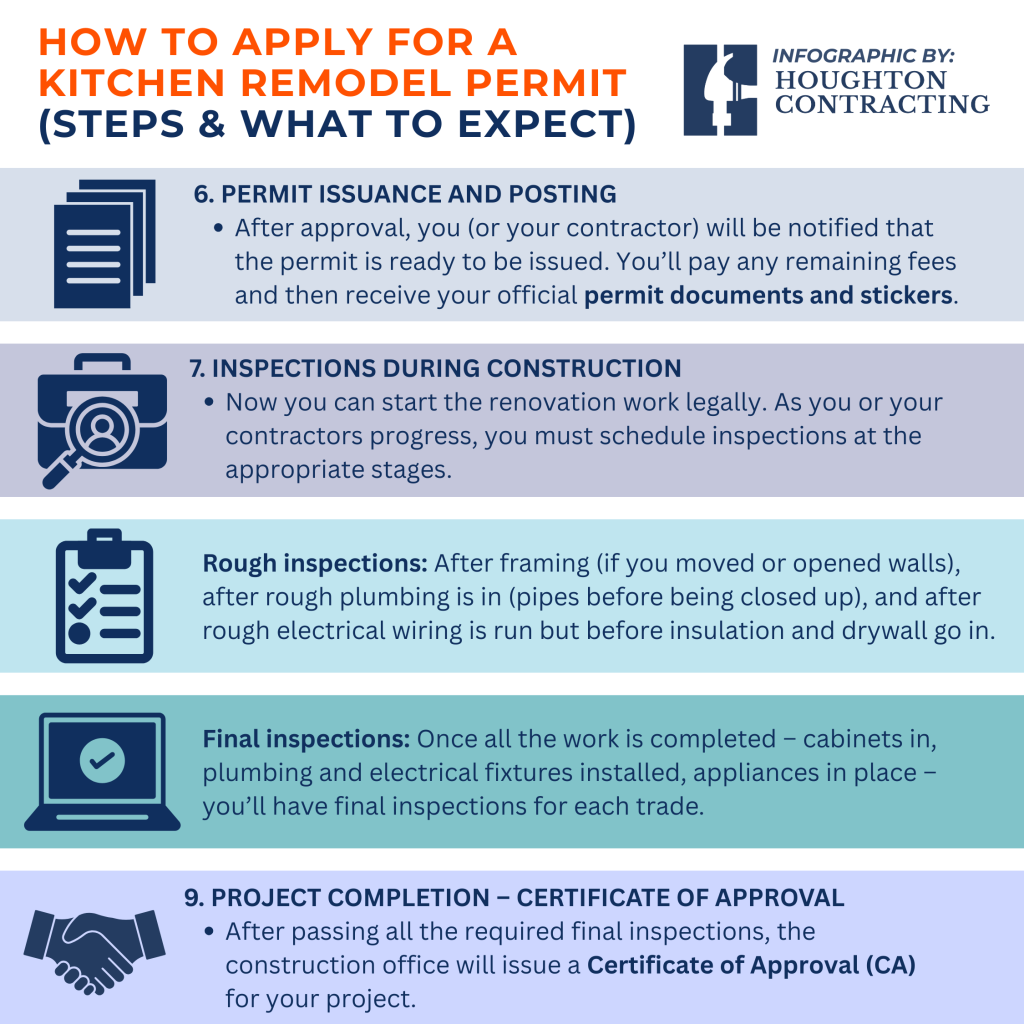
How to Apply for a Kitchen Remodel Permit (Steps & What to Expect)
Navigating the permit process may seem daunting, but it's fairly straightforward once you know the steps. Here's a step-by-step guide to obtaining permits for your kitchen remodel in New Jersey:
Do I Need a Contractor, or Can I DIY My Kitchen Remodel?
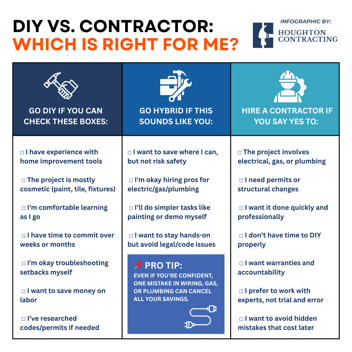
One big decision for homeowners is whether to tackle a kitchen remodel themselves or hire professionals. Beyond the permit requirements discussed above (owner-occupants can DIY, whereas non-occupying owners must use contractors), consider the following when deciding if you need a contractor:
- When a Contractor is Legally Required: In New Jersey, if you do not live in the house (e.g. it's a rental property or a house you plan to sell), the law effectively requires you to hire licensed contractors for the work. You cannot pull homeowner permits for a property you don't occupy. Additionally, certain specialized tasks always require licensed professionals.
Benefits of Hiring a Professional Contractor
Even if you're handy, a full kitchen remodel is a complex orchestration of tasks: design, carpentry, plumbing, electrical, flooring, cabinet installation, etc. A professional remodeling contractor (like Houghton Contracting) can manage this process efficiently. Some benefits of using a contractor include:
- Knowledge of Building Codes: Experienced contractors know the NJ building codes and local amendments inside out. They will ensure all work meets code, which means smoother approvals and a safer final product.
- Permit Handling: A full-service contractor will handle the permitting process for you, from preparing plans to filing paperwork and scheduling inspections. This relieves you of a lot of administrative burden and helps avoid mistakes on applications. They also typically have relationships with local inspectors and understand what details the town wants to see, making approvals more straightforward.
- Project Management and Efficiency: Coordinating different trades (electricians, plumbers, cabinet installers, countertop fabricators) can be challenging. A general contractor will schedule and oversee all the subcontractors so that the project moves along in the correct sequence and no step is missed.
- Quality of Workmanship: Professionals have the right tools and experience to deliver a high-quality finish. The tricky parts of a kitchen, leveling cabinets, making precise cuts for countertops, proper tile work, etc., are daily work for them. You'll likely get a more polished result and durable construction. Plus, reputable contractors will often warranty their work.
- Safety and Insurance: Licensed contractors in NJ are required to carry liability insurance. This protects you in case something goes wrong (like accidental damage to your home during construction). If you DIY and something goes awry, you're on your own for costs and injuries. Also, contractors have training in safety practices (for example, how to safely reroute electrical circuits or handle heavy materials) which reduces the risk of accidents.
- Expertise in Unexpected Issues: Behind kitchen walls and under old floors, surprises can lurk, old wiring, rot, pests, structural quirks in older homes. A seasoned contractor will know how to handle these issues when they pop up, whereas a DIYer might be stumped or stressed by them.
- Scenarios Favoring DIY: If you have a very simple project (say, just replacing cabinet fronts, painting, and changing a faucet) and you are pretty skilled, you might not need a general contractor. Many homeowners act as their own general contractor for smaller-scale remodels, hiring licensed plumbers or electricians just for the trade-specific portions while doing the rest themselves.
- Hybrid Approach: Some homeowners do demolition, painting, or simple tasks themselves and leave the critical installations (electrical, plumbing, cabinet fitting) to pros. This can work well if you coordinate carefully. Just be clear on who is responsible for what in the permit. You might pull the homeowner permit and indicate you'll hire licensed trades for certain parts.
Meet Houghton's Professional Contractor Team here.
Permit Myths, Debunking Common Misconceptions
There are plenty of myths and bad advice floating around regarding building permits. Let's clear up a few common misunderstandings, especially as they apply to NJ kitchen projects:
- Myth: "I don't need a permit because the work is minor and inside my house, who's going to know?"
Fact: Even interior renovations require permits if they involve more than superficial changes. New Jersey's UCC doesn't care whether work is visible from the street, it cares if work impacts the building's structure or safety. Any substantial repair, alteration, or new installation (electrical, plumbing, etc.) needs a permit by law, unless it's explicitly listed as ordinary maintenance. - Myth: "Permits are a pain, they cost too much and slow down the project. It's easier and cheaper to just do the work quietly."
Fact: Permit fees and the time for approvals are small potatoes compared to the potential costs of not having a permit. Permit fees for a kitchen remodel are typically a tiny percentage of your renovation budget (often a few hundred dollars on a project costing tens of thousands). And while waiting a week or two for approval might feel frustrating, it's far better than having to halt a project or pay fines. - Myth: "It's easier to beg forgiveness than ask permission, I can do the remodel now and get it permitted later if necessary."
Fact: Relying on a later fix (a.k.a. retroactive permit) is risky and often problematic. Yes, it's usually possible to legalize unpermitted work after the fact, but it can be a difficult process. You will face scrutiny over the work, and if any part of it isn't up to code, you'll have to open up walls or even redo that work. - Myth: "My contractor says we don't need a permit for this job, they do these all the time without one."
Fact: Be very wary if a contractor suggests not pulling a permit. Legitimate, knowledgeable contractors know when permits are required and will not avoid them. If someone is telling you "no permit needed," double-check with the town yourself. Some unscrupulous contractors say this to dodge inspections (perhaps because they lack a license or know their work might not pass code). Remember, as the homeowner you are ultimately responsible for ensuring permits are in place. If a contractor works without a permit and disappears, you're left to clean up the legal mess. - Myth: "Replacing kitchen cabinets or countertops doesn't require a permit, so I can redo my whole kitchen without one by just calling everything a 'replacement.'"
Fact: It's true that some surface-level updates, like replacing cabinets, countertops, or painting, are classified as ordinary repairs not needing a permit. However, a full kitchen remodel usually entails more than that. If you're simply unscrewing old cabinets and installing new ones of the same type in the same locations and not touching anything else, you don't need a permit for that portion of the work. But typically when cabinets come out, you end up moving outlets, updating plumbing hookups, installing new lighting, etc., those related tasks do require permits.
FAQs
Q: Do I need a permit to remodel my kitchen?
In New Jersey, yes, most kitchen remodels require permits. Any work that goes beyond ordinary repairs (like moving or adding electrical outlets, changing plumbing, removing walls, installing new fixtures, etc.) needs to be permitted under the NJ Uniform Construction Code. Purely cosmetic changes (painting, replacing cabinets in the same place, swapping out appliances without altering hookups) do not need a permit.
Q: What if I remodel my kitchen without a permit?
Remodeling without the required permits is illegal and can lead to serious consequences. You could face steep fines (up to $2,000 per day for violations in NJ), be ordered to halt work and apply for permits, and might even have to tear out or redo completed work that doesn't meet code.
Q: Who pulls the permit, the homeowner or the contractor?
It can be either, but usually the contractor will handle the permit application as part of the job (if you've hired a contractor). In NJ, the law allows the homeowner or contractor to apply. If you're doing a DIY remodel, you (the homeowner) must pull the permit. If you hire a contractor, they should pull the permit and list their name/license on it.
Q: Can I do electrical or plumbing work in my kitchen without a permit?
Not if you are adding or altering anything. Any new electrical wiring, new circuits, or relocating of outlets/lights requires an electrical permit. Any new plumbing lines, moving of pipes, or installation of a new sink/dishwasher or gas line requires a plumbing permit. The only time you wouldn't need a permit is for direct like-for-like replacements.
Q: Is a permit required for replacing kitchen cabinets?
No, not for a straightforward cabinet replacement. New Jersey classifies installing or replacing non-structural elements like cabinets as "ordinary maintenance," which does not require a permit. So if you are just taking down old cabinets and putting up new cabinets in the exact same locations with no changes to the walls or utilities, you don't need a construction permit for that work.
Conclusion
Renovating your kitchen with the proper permits isn't just about obeying the law, it's about ensuring a safe, high-quality result for one of the most important spaces in your home. By obtaining the necessary permits and following NJ's construction regulations, you protect yourself from legal troubles, keep your insurance valid, preserve your home's value, and gain peace of mind that every aspect of the remodel has been checked for safety.
Before you start swinging the sledgehammer, take the time to plan and file the permits. As we've outlined, it's a manageable process, and Houghton Contracting is here to assist at every step. We pride ourselves on professional, friendly, and educational service, guiding NJ homeowners through remodeling projects with full transparency.
If you're feeling overwhelmed or simply want the job done right, reach out to Houghton Contracting. We'll handle the permits, coordinate licensed experts, and ensure your kitchen remodel meets all New Jersey codes and your highest expectations.
In the end, you'll not only have the kitchen of your dreams, you'll have the confidence that it was built the right way, with safety and quality at the forefront. Happy remodeling!

/kitchen%20island%20with%20pendant%20lights%20and%20view%20to%20dining%20room%20in%20a%20houghton%20contracting%20custom%20home%20project%20in%20trenton%20new%20jersey.jpg?width=352&name=kitchen%20island%20with%20pendant%20lights%20and%20view%20to%20dining%20room%20in%20a%20houghton%20contracting%20custom%20home%20project%20in%20trenton%20new%20jersey.jpg)