.png?width=150&height=81&name=Houghton%20Contracting%20Logotype%20New%20Logo%20(1).png)
7 Min Read
Home additions can significantly boost both your daily living comfort and your property's resale value. Expanding or enhancing key areas, from kitchens and bathrooms to new living spaces, often makes a home more attractive to buyers. However, not all projects yield the same return on investment (ROI). This post reviews which home additions tend to add the most value, using data from credible industry studies and reports. Homeowners (especially those planning to sell) can use these insights to prioritize high-ROI additions while avoiding over-investment.
Table of Contents
- Key Takeaways
- Kitchen Expansions and Remodels
- Bathroom Additions
- Primary Suite Additions
- Garage Conversions
- Sunrooms
- Conclusion
- FAQ
Key Takeaways
- Not All Additions Pay Back Equally: Small upgrades (like doors or finishes) can recoup most of their cost, whereas large-scale additions typically recover only a portion of the investment. Focus on additions known for higher ROI.
- Kitchens and Baths Deliver Strong Returns: Expanding or updating kitchens and adding bathrooms are reliably high-value projects. They enhance daily life and recoup a substantial share of costs at resale.
- Primary Suites Boost Luxury & Value: Adding a primary bedroom suite adds appeal for modern buyers. While costly, it can recover around half its cost in added value.
- Conversions Maximize Existing Space: Converting underused areas (attics, basements, garages) into living space is cost-effective. Such projects can return well over half their cost in value.
- Sunrooms Prioritize Lifestyle Over ROI: Sunroom additions create enjoyable space filled with natural light, but typically only ~50–60% of their cost is reflected in resale value. Plan these more for personal enjoyment than profit.
Kitchen Expansions and Remodels
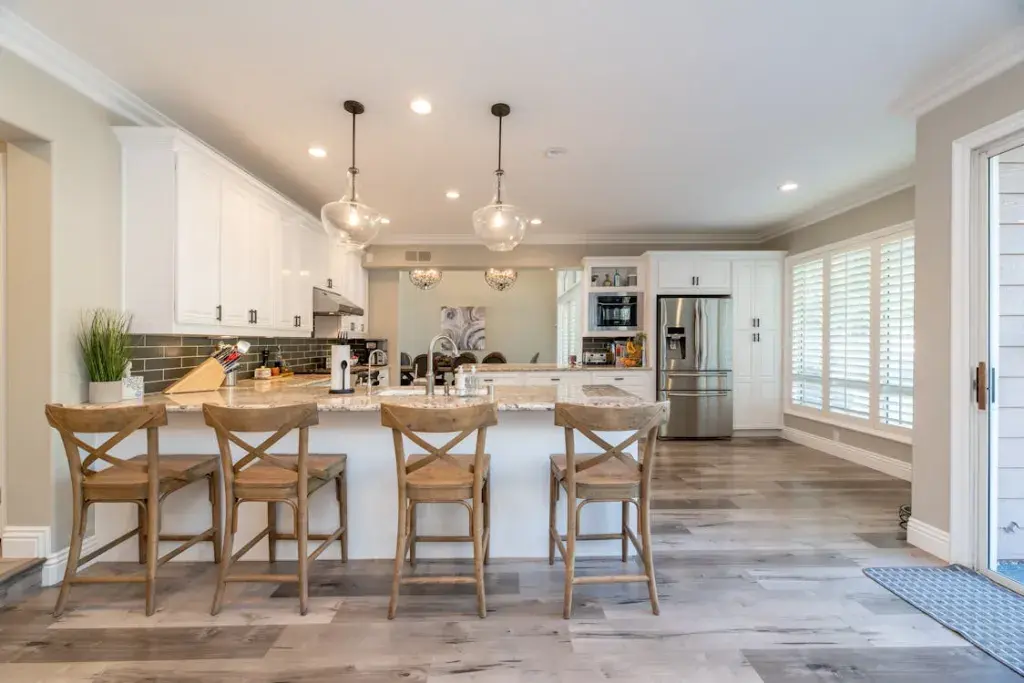
An upgraded, more spacious kitchen is a top selling point for any home. Kitchen expansions, whether by bumping out walls or reconfiguring layout, can greatly improve functionality and buyer appeal. According to data from the National Association of REALTORS®, a complete kitchen renovation costing around $80,000 might add roughly $60,000 in resale value. This corresponds to about a 75% ROI. Minor kitchen improvements (refinishing cabinets, new counters, etc.) can yield an even higher payback, often recouping 80% or more of their cost in resale value. Even when not dollar-for-dollar, investing in a quality kitchen update is wise, buyers consistently rank kitchens among the most important features, and a modern, open kitchen can help justify a higher asking price.
Bathroom Additions
If your home has fewer bathrooms than bedrooms, adding a bathroom can markedly increase its market value and usability. Buyers today expect a convenient ratio of baths to beds, ideally one bathroom per bedroom or at least one on each floor. A midrange bathroom addition (e.g., building a new 6'x9' bathroom) costs about $80,000 nationally, and adds roughly $50,000 to the home's resale value (around 60–63% of costs recovered).
In other words, while you may not get every dollar back, you gain a major selling advantage. Added bathrooms eliminate bottlenecks for growing families and appeal to virtually every buyer. As a result, this upgrade often "pays for itself" in a faster sale and higher offers. In fact, studies show an additional full bathroom can boost overall home value by 10–20% on average, depending on your market. For older homes with too few baths, this project is one of the smartest value-adding moves.
Primary Suite Additions
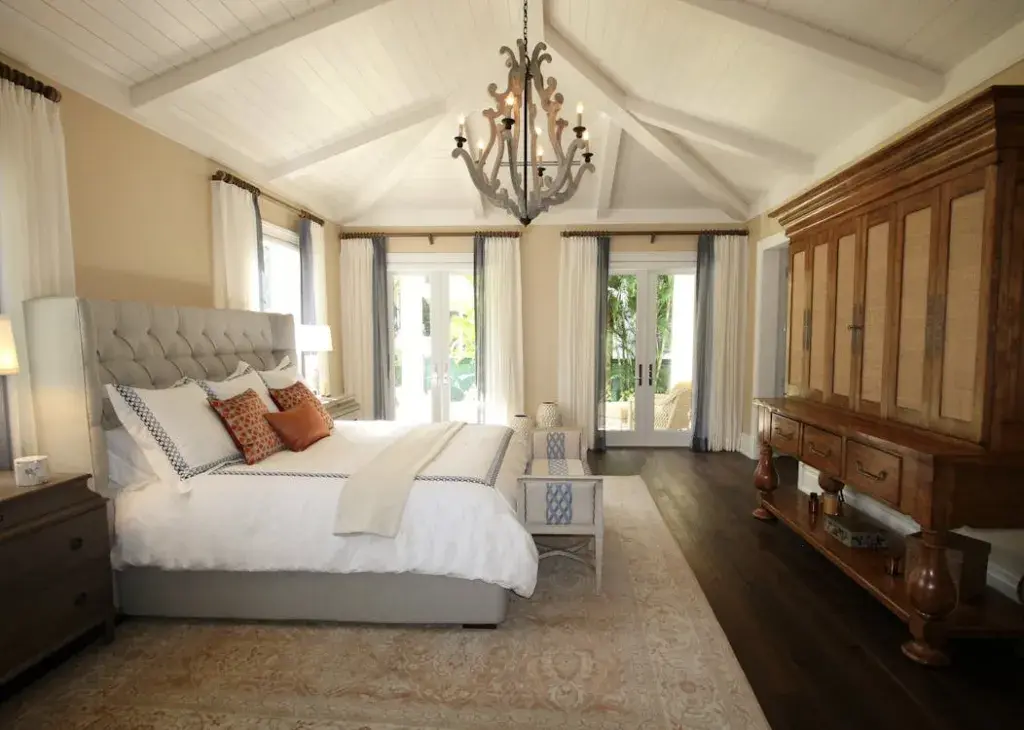
Adding a new primary suite (master bedroom with an en-suite bath) creates a private retreat that today's buyers love, but it's also one of the larger investments. Construction typically involves building out new square footage and high-end finishes. The national median cost for a primary suite addition is about $170,000, according to the Remodeling Impact Report, and it recoups roughly 54%–56% of that cost in resale value. For example, a project costing $172,500 might increase the home's value by about $100,000 upon sale.
While a new master suite may not return every dollar spent, it greatly enhances livability and appeal, especially in markets where upscale suites are the norm. Homeowners often give such projects a perfect "joy score" despite the moderate financial ROI. To maximize returns, consider building above an existing first floor (over a garage, for instance) instead of adding a ground-level footprint. Utilizing existing structure can save 20%–60% on construction costs and increase your ROI. Overall, a well-designed primary suite can make your home far more competitive, even if its payback is about half in pure dollar terms.
Garage Conversions
Converting an existing garage into living space is an efficient way to gain square footage without the expense of a brand-new addition. By finishing a garage, you can add a new bedroom, family room, or home office within the home's existing shell. This often costs significantly less per square foot than building new, since the walls, foundation, and roof are already there. As a result, garage conversions tend to achieve a solid ROI. Real estate data suggest that a well-done garage-to-living-space conversion can recoup roughly 60%–80% of its cost upon resale. (Returns vary with the quality of the conversion and how much local buyers value covered parking.) Likewise, converting other underused areas, such as basements or attics, yields similar payoffs. For instance, finishing a basement returns about 71% of its cost in added value on average. Before converting a garage, consider neighborhood norms. If most houses have garages, sacrificing yours could be a drawback to some buyers. However, if you have alternative parking or ample storage, turning an underutilized garage into a living area can significantly boost your home's appraised value by increasing its functional square footage.
Sunrooms
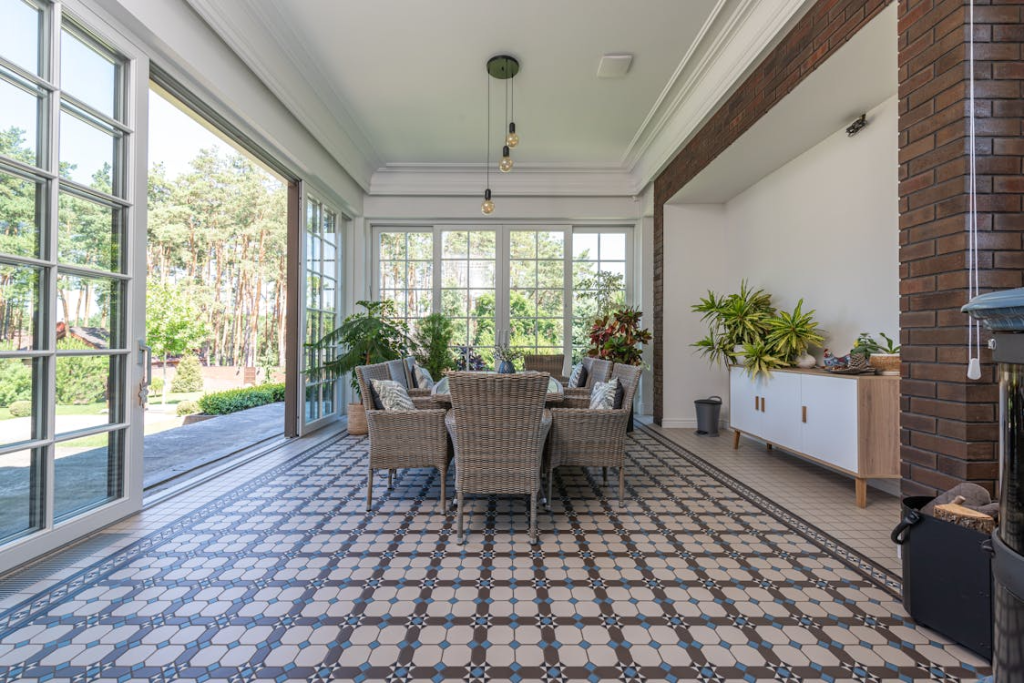
Sunroom additions are unique spaces that blur indoor and outdoor living, perfect for enjoying natural light, greenery, and relaxation. A sunroom (sometimes called a three-season room or conservatory) typically has abundant windows and is not always fully heated or cooled year-round. While sunrooms can absolutely make a home more enjoyable, they are not big money-makers at resale. Industry surveys indicate a sunroom addition generally recoups only about 50–60% of its cost in home value. For example, a mid-range sunroom might cost $50,000 and add roughly $25,000–$30,000 in value. One reason is that many appraisers do not count non-insulated sunrooms as official living space (square footage) in the home's valuation. Essentially, buyers love the idea of a bright sunroom, but may not pay a premium for it equivalent to its build cost. That said, sunrooms can still be worthwhile if you plan to enjoy the space. They create an inviting ambiance and can differentiate your listing. To maximize value, build your sunroom with quality materials, ensure it matches the home's style, and consider adding HVAC to make it a true four-season extension of the house. Just keep in mind that as an investment, a sunroom is best viewed as a lifestyle upgrade, one that adds moderate resale value, but perhaps more intangible appeal.
Conclusion
In summary, the home additions that add the most value tend to be those that augment essential living areas (kitchens, bathrooms, and bedrooms) or cleverly repurpose existing space into usable square footage. Kitchen expansions and bath additions not only improve daily life but also appeal strongly to buyers, yielding high returns in the 50%–75% range of costs. Large projects like new primary suites or sunrooms offer tremendous lifestyle benefits and solid (if not full) cost recovery. Every home and market is different, so it's wise to consult local real estate professionals before committing to a major addition. By choosing the right projects, you can enhance your home's value and marketability while also enjoying the improvements for years to come.
FAQ
Q1: Which home additions have the highest ROI on resale?
Smaller-scale improvements often lead (for example, replacing an entry door or new attic insulation can return 95–100%+ of costs). Among major additions, cost-effectively adding living space tends to yield the best ROI, for instance, creating a new bedroom or family room by finishing a basement or attic (around 60–70%+ ROI). Adding a bathroom or modernizing a kitchen is also a high-ROI choice, typically recouping well over half of the investment. By contrast, very expensive specialty additions (luxury primary suites, etc.) have lower percentage returns in resale.
Q2: Will I need building permits for a home addition?
Yes. In almost all U.S. jurisdictions, any significant home addition or structural alteration requires obtaining building permits and inspections for safety and code compliance. This applies whether you're adding a room, converting a garage, or expanding a kitchen. You'll need to submit plans to your city or county building department and adhere to local building codes and zoning laws (for example, setbacks from the property line). Working with a licensed contractor can streamline the permitting process. Factor in the time and fees for permits as part of your project planning, it's both a legal requirement and important to ensure the addition is built to standards.
Q3: Is it better to build a new addition or convert an existing space?
Converting existing space (like an attic, basement, or attached garage) is usually more cost-effective. The structural shell is already there, so you save on foundation, framing, and roofing costs, often cutting construction expenses by 20–60%. This can lead to a higher ROI since you're investing less for the same added living area. A finished basement or attic bedroom, for example, can boost value significantly and is counted in the home's square footage if properly heated and finished. Building a brand-new addition can certainly add more space, but it's pricier and thus tends to have a lower percentage return (and takes longer to construct). Ultimately, the decision also depends on your needs and your home's layout, if no existing space can serve the purpose, a new addition might be justified despite the higher cost.
Q4: Does adding a bathroom increase home value more than adding a bedroom?
It depends on your home's starting point and what's typical in your market. If your house is short on bathrooms (say, a 3-bedroom, 1-bath home), adding a bathroom can dramatically raise value and appeal, buyers highly prioritize sufficient bathrooms. An added full bathroom can increase a home's value by around 10% or more in many cases. On the other hand, adding a bedroom (or converting space to an extra bedroom) can also add value, particularly if it changes the home's class (for example, turning a 2-bedroom house into a more marketable 3-bedroom). Generally, the first additional bathroom yields a bigger percentage value jump than an extra bedroom, because it remedies a functional bottleneck. However, beyond an optimal bedroom-to-bath ratio, returns may diminish. The best approach is to compare your home to others in the neighborhood: if most comparable homes have an extra bedroom or bath that yours lacks, that addition will likely add substantial value.
Q5: Do sunroom additions count toward the home's square footage and appraisal?
Usually not, unless they are built to the same standards as the rest of the house (integrated HVAC, insulation, and finishes comparable to interior rooms). Many sunrooms are seasonal (three-season rooms) and are not heated/cooled like living space. Appraisers typically do not include non-conditioned sunrooms in the gross living area of a home. Instead, a sunroom might be noted separately and valued somewhat lower per square foot than fully livable space. This is why the ROI on sunrooms tends to be lower, they are enjoyable bonus spaces, but not weighed as heavily in formal appraisals. To maximize value, you can build the sunroom with proper insulation and connect it to your home's HVAC; a four-season sunroom or solarium that functions like an interior room is more likely to count in the official square footage. Regardless, a sunroom can still enhance buyer perception and charm, even if an appraiser gives it partial value.