.png?width=150&height=81&name=Houghton%20Contracting%20Logotype%20New%20Logo%20(1).png)
12 Min Read
Remodeling a bathroom in 2025 can cost anywhere from a few thousand dollars for a basic facelift to well over $50,000 for a luxury renovation. The exact price depends on the project's scope, the bathroom size, quality of materials, and labor costs. On average, U.S. homeowners are spending around $12,000 for a typical bathroom remodel.
Most mid-range bathroom renovations tend to fall in the $6,000 to $18,000 range (roughly $70–$250 per square foot), while high-end, upscale bathroom overhauls can climb to $75,000 or more. This article provides a full cost breakdown, from average prices and cost factors to where your budget is likely to go, to help you plan your 2025 bathroom remodel wisely.
Table of Contents
- Key Takeaways
- Average Bathroom Remodel Cost in 2025
- Breaking Down the Costs: Where Does the Money Go?
- Key Factors That Influence Bathroom Remodel Cost
- Tips for Budgeting and Saving on Your Remodel
- Conclusion
- Frequently Asked Questions
Key Takeaways
- Wide Cost Range: Bathroom remodel costs vary widely in 2025, minor cosmetic updates can run as low as a few thousand dollars, whereas extensive luxury renovations can exceed $50,000. Upscale bathroom remodels average about $78,000 nationally, while more modest projects might be under $10,000. Most homeowners will spend between roughly $6k and $18k for a mid-range bathroom update.
- Average vs. High-End: A mid-range bathroom remodel costs around $25,000 on average in 2024/2025 data. By contrast, a high-end primary bathroom renovation (with upscale materials and fixtures) can easily hit the $70k–$80k mark. Median spending on bathroom renovations has been rising, for instance, the median expense increased from about $13,500 in 2022 to $15,000 in 2023 (an 11% jump), reflecting higher material and labor costs going into 2025.
- Labor vs. Materials: Labor is often the single largest cost component, typically comprising 40% to 60% of the total remodel budget. Professional labor (contractors, plumbers, electricians, etc.) ensures the job is done correctly, but it comes at a price. The remaining costs go toward materials and fixtures, new tubs or showers, cabinets, tiles, lighting, etc.
- Bathroom Size & Scope Matter: The size and type of bathroom being remodeled is a major cost factor. Remodeling a small half-bath (powder room) might cost as low as $1,500–$5,000 for a simple refresh (up to ~$15,000 on the higher end). A full guest bathroom remodel typically ranges around $3,500–$20,000. A primary (master) bathroom remodel, usually larger and with more fixtures, averages about $18,000 (commonly in the $7,000–$30,000 range depending on scope). Projects that involve changing the floor plan or moving plumbing/electrical will drive costs higher (often adding several thousands, e.g. an extra ~$5,000 if you relocate plumbing for a new layout). Unseen issues like water damage can also add surprise costs during construction.
- Return on Investment: Bathroom remodels can boost home value, but expect to recoup only a portion of the cost at resale. On average, a mid-range bathroom remodel has a return on investment (ROI) around 70–75% of its cost in increased home value. Upscale luxury bath remodels tend to recoup less, roughly 45–50% of the cost, on resale. In other words, if you spend $25k on a mid-level bathroom remodel, it might increase your home's value by about $18k on average. While ROI is an important consideration, most homeowners remodel bathrooms for the improved comfort, functionality, and aesthetics rather than solely for resale value.
Average Bathroom Remodel Cost in 2025
National averages:
As of 2025, a typical bathroom remodel in the U.S. costs about $10,000 to $20,000 for a moderate project, with a national average around the mid-$10k range. Industry data from Remodeling Magazine's Cost vs. Value report shows that a mid-range 5'x7' bathroom remodel came in at $25,251 on average in 2024. This hypothetical mid-range project involves updating an existing small bathroom with common fixtures (a standard tub/shower, toilet, single vanity, tile floor, etc.) and mid-grade materials.
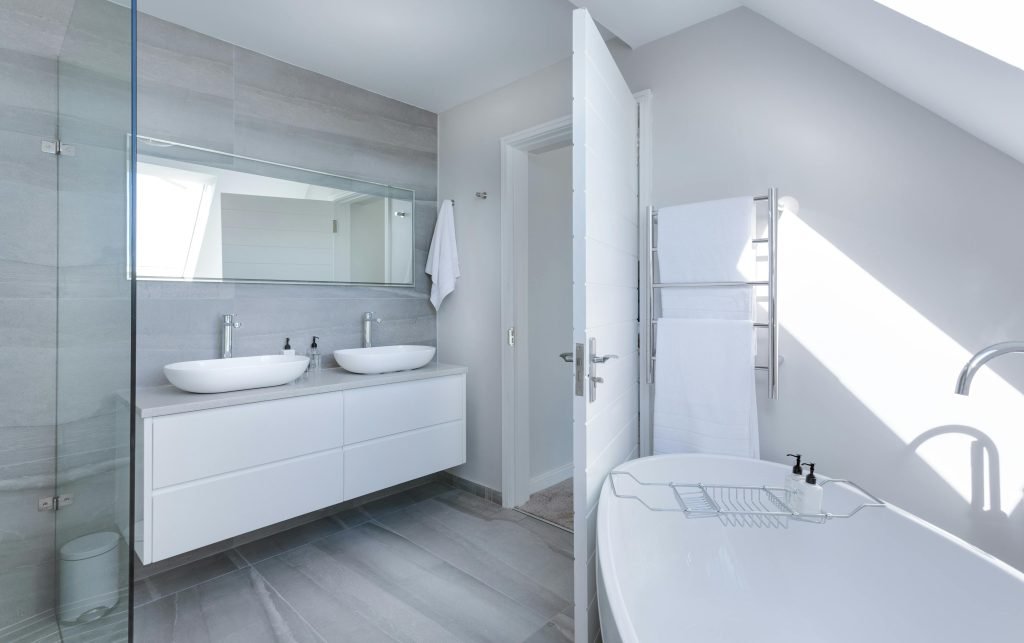
By comparison, a "upscale" bathroom remodel (in a larger ~100 sq. ft. space with high-end amenities) averaged about $78,840 in recent surveys. These figures indicate the huge range in costs depending on the level of luxury and scope of work.
Cost range:
In practical terms, most bathroom remodels will fall somewhere between a simple cosmetic update and a full luxury overhaul. Small-scale projects (like replacing a vanity, fixtures, and refreshing finishes) could be done for under $10,000, especially if you do some work yourself. In fact, doing a DIY-lite remodel (handling painting, fixtures, etc.) can reduce a bathroom renovation to roughly $3,000–$8,000 in out-of-pocket costs.
On the other end, a no-expense-spared makeover with designer fixtures, custom tile work, and reconfigured layout can easily exceed $50,000. As a general guideline, $100–$200 per square foot is a common cost range for a professional bathroom remodel in 2025. High labor rates or upscale materials can push that closer to the $200+ per sq. ft. end, whereas economy finishes or DIY labor can keep it toward $100/sq. ft or below.
Example ranges by bathroom type: To illustrate, here are estimated 2025 cost ranges for different types of bathrooms:
- Powder room/Half-bath (toilet and sink only): ~$1,500 on the very low end (basic fixture swap and paint) up to ~$10,000 or $15,000 for high-end finishes or if plumbing must be added/relocated. These small bathrooms (often 20-30 sq. ft.) are cheaper mainly because they have no bathtub or shower.
- Guest or standard full bathroom: Typically $5,000 to $20,000 for a full remodel. A hall/guest bathroom of about 5'x7' or 5'x8' (with a tub/shower, toilet, vanity) might average in the low-to-mid teens (thousand dollars) for a complete redo with mid-grade materials. Upgrades like tile showers, custom vanities, or high-end fixtures will push it toward the upper end.
- Primary (master) bathroom: Usually the most expensive, since these are larger rooms (often 8'x10' or more) with additional features (double vanity, separate tub and shower, etc.). A primary bath remodel typically runs $15,000 to $30,000 for a standard update, with an average around $18k for mid-range choices. High-end master bath renovations (spa-like features, rearranged layout, luxury materials) can go $40k, $50k+ depending on how elaborate the project gets.
These are broad ranges, your location also plays a role. Labor and material costs tend to be higher in major metropolitan areas or expensive regions. For instance, bathroom remodel prices on the East Coast or West Coast often come in above the national average, whereas DIY-friendly rural areas can be lower. Always get multiple quotes from contractors in your area to gauge local pricing for your specific project.
Breaking Down the Costs: Where Does the Money Go?
When you get an estimate for a bathroom remodel, it helps to understand the breakdown of cost components. Here's how typical bathroom remodeling expenses are distributed:
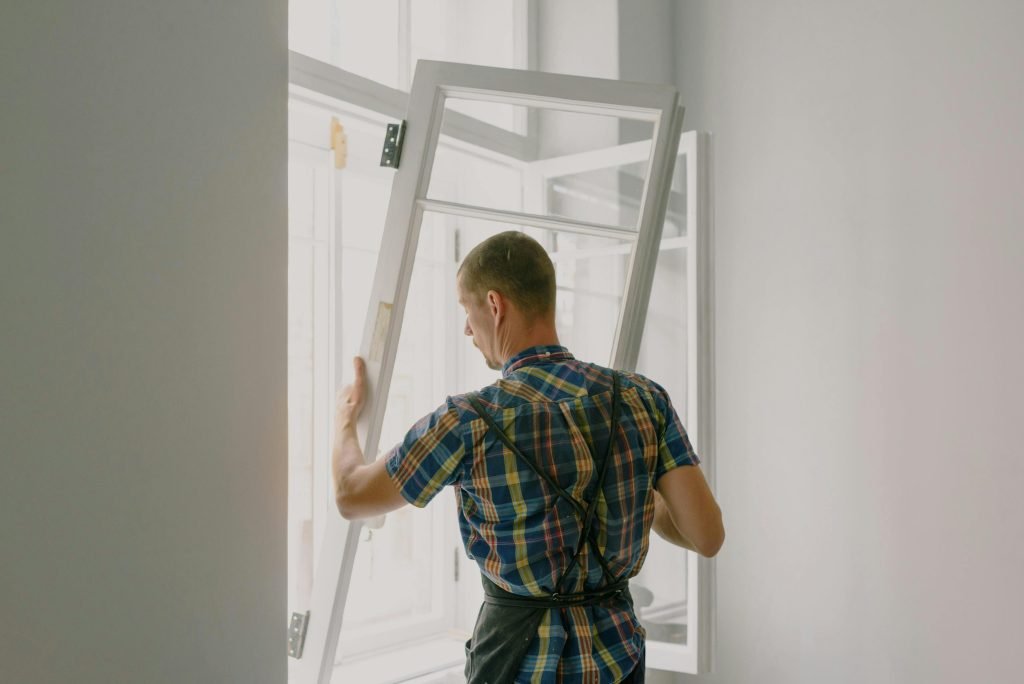
- Labor and Installation (40–65%): Labor is often the largest expense in a bathroom project. This includes the contractor's time, any subcontractors (plumbers, electricians, tile setters, painters), and general installation work. Complex jobs that involve skilled trades (e.g. moving plumbing lines, upgrading wiring for new lighting, installing heavy tile) will have higher labor costs. In some remodels, labor can amount to roughly half or even two-thirds of the total cost. Contractors also factor in overhead, permits, and coordination efforts into their labor fees. Hiring licensed professionals is crucial for plumbing and electrical work (often required by code), while it adds cost, it ensures the work is safe and up to standard.
- Fixtures and Appliances (~15%): Fixtures include the bathtub, shower enclosure, toilet, sinks, faucets, and associated hardware. Upgrading a bathtub or tiled shower tends to be one of the priciest line items, depending on the type, a new tub install can range from a few hundred dollars (for a basic prefabricated tub) up to $10k+ for a high-end whirlpool or custom shower system. Custom tile showers with glass doors are especially labor-intensive and can cost anywhere from a couple thousand to well over $10,000. Toilets are a smaller expense by comparison (basic models often $200–$500, though luxury smart toilets can be more). Sinks and faucets vary widely: a standard faucet might be $100–$300, but designer faucets or dual showerheads will add more. All together, allocating around 15% of the budget to plumbing fixtures is common.
- Cabinetry and Countertops (~10–20%): Many remodels include installing a new vanity cabinet, storage cabinets, and a countertop with an integrated sink. Stock vanities can be a few hundred dollars, whereas custom cabinetry or large dual-sink vanities easily cost a few thousand. Countertop materials range from budget-friendly laminate (sometimes under $10 per sq. ft.) to mid-range solid surface or quartz (~$50-$100 per sq. ft.), up to premium stone like marble which can be $100+ per sq. ft installed. In a typical budget breakdown, cabinetry and hardware might be ~16% and countertops ~7% of the total.
- Flooring and Walls (~10%): Remodeling usually involves new flooring (tile is popular for bathrooms, but vinyl planks, sheet vinyl, or engineered wood are also used). Floor material costs can range from ~$1–$2 per sq. ft. for basic vinyl up to $10–$20 per sq. ft. for high-end tiles, plus installation. For a small bathroom, flooring might not be a huge cost overall (e.g. 40 sq. ft. of tile at $5/sq. ft is $200 material, but labor will be a few hundred). Wall finishes like paint or tile surrounds also add cost; tiling a shower or tub surround (often 60+ sq. ft. of wall) can be a significant expense if using quality tile and skilled labor. Expect around ~9% of budget for flooring and a few percent for painting or wall treatments in many projects.
- Plumbing and Electrical (~14%): Behind the scenes, a chunk of the budget goes to the plumbing and electrical upgrades needed in a bathroom. This includes plumbing fittings, drain and supply lines for sinks, toilet, shower, as well as wiring for lighting, outlets, vent fans, and possibly heating (like floor heaters or towel warmers). According to industry breakdowns, about 14% of a bathroom remodel cost is typically for plumbing and faucets.
If your remodel doesn't move fixture locations, you may not spend quite as much on new plumbing, but if you relocate a toilet or shower drain, that involves significant work. Electrical costs include installing light fixtures (new vanity lights, ceiling lights or recessed lights) and a ventilation fan if not already present or if upgrading it. These are usually smaller ticket items individually, for example, installing a new light fixture might cost a couple hundred dollars including labor, but collectively they add up in the budget.
- Design, Permits, Miscellaneous (~5–15%): It's wise to budget for permit fees and professional design services if applicable. Building permits for a bathroom remodel (covering plumbing, electrical, construction alterations) can range roughly $100 to $1,500 in total depending on your locale and the extent of work. If you hire a designer or architect for a custom layout or high-end project, their fees might be 5-10% of the project cost (or an hourly rate).
Even without a dedicated designer, many contractors include some design consultation which is effectively part of the labor cost. Miscellaneous costs can include debris demolition and disposal (dumpster fees, etc., often $500–$1,000+ for a full gut job), as well as finish hardware and accessories (towel bars, mirrors, etc.), and that ever-important contingency buffer for unexpected issues. Experts recommend setting aside around 5–10% of the budget as a contingency for surprises like hidden water damage or necessary repairs discovered during the remodel.
In summary, a bathroom remodel budget typically gets spread across many components: you're paying not just for shiny new tiles and fixtures that you see, but also for the skilled labor and "behind-the-wall" work (plumbing, waterproofing, wiring) that makes a bathroom functional and up to code. If you want to prioritize spending, know that updating the shower/tub area usually gives the most visual and functional impact but also costs the most, whereas repainting walls or swapping out hardware (towel racks, light fixtures) can be relatively low-cost ways to refresh the space.
Key Factors That Influence Bathroom Remodel Cost
Every bathroom renovation is unique, but several key factors consistently drive the cost up or down. Understanding these can help you plan and make cost-effective choices:
- Bathroom Size: It sounds obvious, but the square footage of your bathroom directly affects cost. A larger bathroom means more flooring, more paint or tile on the walls, and often more fixtures (double sinks, larger showers, etc.). As noted, costs are often measured per square foot, so a 35 sq. ft. small bathroom might cost one-third as much as a 100 sq. ft. master bath given similar finishes. If you're considering expanding the bathroom (increasing its size by borrowing space or building an addition), note that this significantly raises costs beyond the normal per-square-foot multiplier due to new construction and structural work.
- Scope of Work (Remodel vs. Refresh): The extent of the renovation is crucial. Refreshing an existing bathroom (new paint, replacing a couple of fixtures, keeping layout the same) is far cheaper than a full gut remodel. For example, if you keep the plumbing fixtures in the same locations, you avoid the extra plumbing re-work costs. A project that involves moving the toilet or shower location will incur added plumbing labor and materials, one estimate pegs roughly an extra $5,000 if a bathroom's floor plan is rearranged significantly. Similarly, simply refacing or painting cabinets costs much less than fully tearing out and installing new custom cabinetry. Define your project scope clearly: whether it's a cosmetic update or a down-to-studs remodel, as costs will differ vastly.
- Material Quality and Selections: Every material choice has a cost range, basic, mid-range, or high-end. For instance, ceramic tile for your shower might cost $2 per sq. ft., while a trendy imported porcelain or stone tile could be $20+ per sq. ft. Likewise, a cultured marble vanity top might be a fraction of the cost of a quarried marble slab. These choices multiply across all elements (flooring, countertops, fixtures, faucets, etc.). Opting for luxury fixtures and finishes can easily double or triple your material expenses.
- Labor Intensity: Some design decisions impact how much labor is needed. For example, extensive tile work (covering entire walls or creating intricate mosaics) means many more hours of labor compared to, say, installing acrylic shower panels. Removing a heavy cast-iron tub or constructing a custom shower bench involves extra work. If your remodel includes tricky structural changes (like carving out a niche, altering joists for a curbless shower, etc.), expect labor costs to rise accordingly.
- Permits and Code Requirements: As mentioned, obtaining the proper permits for plumbing, electrical, or structural changes is usually necessary for a bathroom remodel. Besides the permit fees themselves, following building code can sometimes mean additional work, e.g. adding an exhaust fan for ventilation if one isn't present (roughly a few hundred dollars installed), or upgrading an electrical circuit to GFCI for safety. While these add to cost, they are important for safety and legality. Working with a professional who understands local code ensures you won't face fines or have to redo work later to pass inspections.
- Geographic Location: Prices vary by region. Contractors' labor rates, as well as material costs, are higher in some cities/states than others. For example, a bathroom remodel in Mercer County, NJ (with its proximity to the New York/Philadelphia metro areas) might price out higher than the same work in a lower-cost-of-living region. Construction demand and economic conditions can also influence bids. Checking regional cost reports or getting quotes from local licensed contractors will give the best sense of your area's pricing.
- Timeline and Season: If you have a tight timeline (needing the project done quickly), sometimes contractors may charge a premium for rush jobs or for working off-hours. Generally, a standard bathroom remodel takes about 2 to 3 weeks of construction for a mid-size bath (not including design and product lead times). If you push for an expedited schedule, additional labor (multiple crews) or overtime might increase costs. Conversely, some homeowners schedule remodels in off-peak seasons for contractors (e.g. winter) to potentially get a slight discount or more flexible scheduling.
Tips for Budgeting and Saving on Your Remodel
While a bathroom remodel is a significant investment, there are ways to manage costs without sacrificing too much quality or style:
- Plan Thoroughly: Surprises during construction can wreck a budget. Before any demolition begins, plan out exactly what you want to do and price it out. Work with your contractor to nail down the scope. Also, inspect for potential issues (like leaks or mold) beforehand if possible. A well-planned remodel is less likely to encounter costly overruns.
- Keep the Same Layout: As noted, avoid moving plumbing fixtures if you're on a tight budget. Designing around the existing locations of the toilet, shower, and sink will generally be much cheaper. You can still achieve a dramatic makeover through new materials and fixtures without reconfiguring the entire bathroom.
- Shop Around for Materials: Quality materials don't always have to break the bank. Shop sales or clearance for tiles or vanities, and compare prices from different suppliers. Sometimes a look-alike porcelain tile can be a fraction of the cost of natural stone but with similar visual impact. However, don't skimp on critical components like waterproofing, backer board, and plumbing fittings, failures in these can lead to expensive repairs later.
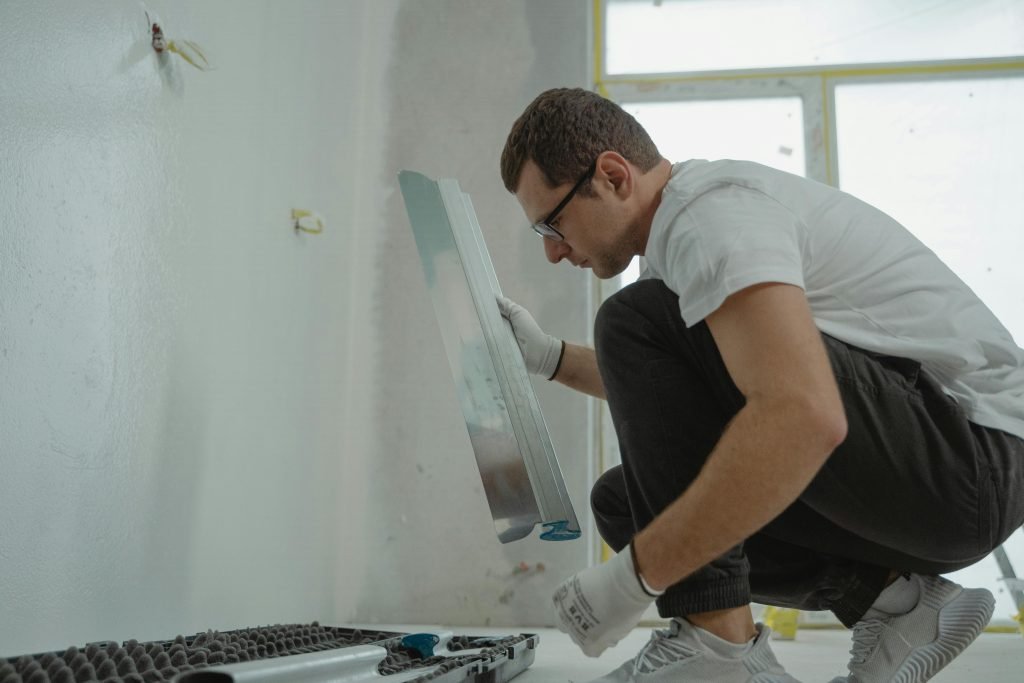
- Consider Partial DIY: If you have some handy skills, doing parts of the project yourself can save on labor. For example, tasks like demolition, painting, or installing accessories (mirrors, towel bars) are DIY-friendly for many homeowners. Even taking on the painting can save a couple thousand dollars that a painter might charge for a whole bathroom. That said, know your limits, leave the complex work (tiling, plumbing, electrical) to pros if you're not experienced, as mistakes in a bathroom can be costly.
- Get Multiple Quotes: Prices can vary among contractors. It's wise to obtain at least 2-3 quotes from reputable contractors for the same project scope. Make sure each is bidding on the same specifications so you can make an apples-to-apples comparison. Sometimes, a larger company might quote higher due to overhead, whereas a smaller local contractor might offer a more budget-friendly price, but also consider their reviews and quality. Don't automatically choose the lowest bid; weigh the contractor's experience and proposed timeline too.
- Budget for the Unexpected: Allocate about 10% of your budget for contingencies. If you end up not using it, great, but if an unforeseen problem arises (like discovering rotten subfloor under an old tub), you'll be financially prepared to address it without derailing the project.
By being strategic and informed, you can achieve a beautiful bathroom update that adds comfort and value to your home without overspending. Even modest upgrades, done thoughtfully, can modernize your bathroom and improve your daily life, often at a fraction of the cost of a lavish renovation.
Conclusion
A bathroom remodel in 2025 is a worthwhile update for many homeowners, but it's important to go in with realistic cost expectations. In Mercer County and across the country, bathroom renovation costs are influenced by a mix of material prices, labor rates, and the complexity of the project. On average you might spend in the mid-teens (thousands of dollars) for a full renovation, but your actual budget should be tailored to the specifics of your bathroom and your goals, whether it's a simple refresh under $10k or a deluxe spa-like transformation for tens of thousands. Always do your homework: consult credible cost data, get professional estimates, and plan for a bit of wiggle room in your budget. With careful planning and the right contractors, you can achieve a remodel that brings both personal satisfaction and added value to your home.
Finally, remember that while cost is important, quality and longevity matter too, a well-done bathroom remodel will serve you every day with comfort and convenience, making it a rewarding investment in your home and lifestyle.
Frequently Asked Questions
Q: How much does a small bathroom or powder room remodel cost?
Expect $2K–$5K for basics (vanity, toilet, paint). Simple updates may start around $1.5K; luxury finishes or plumbing changes can reach $10K–$15K. Timeline: about 5–7 days for a basic update.
Q: What is typically the most expensive part of a bathroom remodel?
The shower/tub area, waterproofing, tile, tubs, and glass enclosures are labor-intensive. Labor overall is often 40–60% of the project cost.
Q: How long does a bathroom remodel take in 2025?
On average, 2–3 weeks of construction. Small baths: ~1 week; large or complex projects: 4+ weeks. Plan for a month including prep and ordering materials.
Q: Do I need permits to remodel a bathroom, and how much do they cost?
Yes, if plumbing, electrical, or structural work is involved. Costs range from $100–$1,000, depending on scope and location. A good contractor will handle this.
Q: Is it possible to remodel a bathroom for under $5,000?
Yes, with a limited scope, cosmetic updates like paint, lighting, faucets, vanity, and re-caulking. Major changes or new tile/layout usually require $8K–$10K+. DIY helps stretch a tight budget.


/primary%20bathroom%20double%20vanity%20with%20backlit%20mirrors%20and%20glass%20shower%20in%20a%20houghton%20contracting%20custom%20home%20project%20in%20trenton%20new%20jersey.jpg?width=352&name=primary%20bathroom%20double%20vanity%20with%20backlit%20mirrors%20and%20glass%20shower%20in%20a%20houghton%20contracting%20custom%20home%20project%20in%20trenton%20new%20jersey.jpg)